Recovery Circles
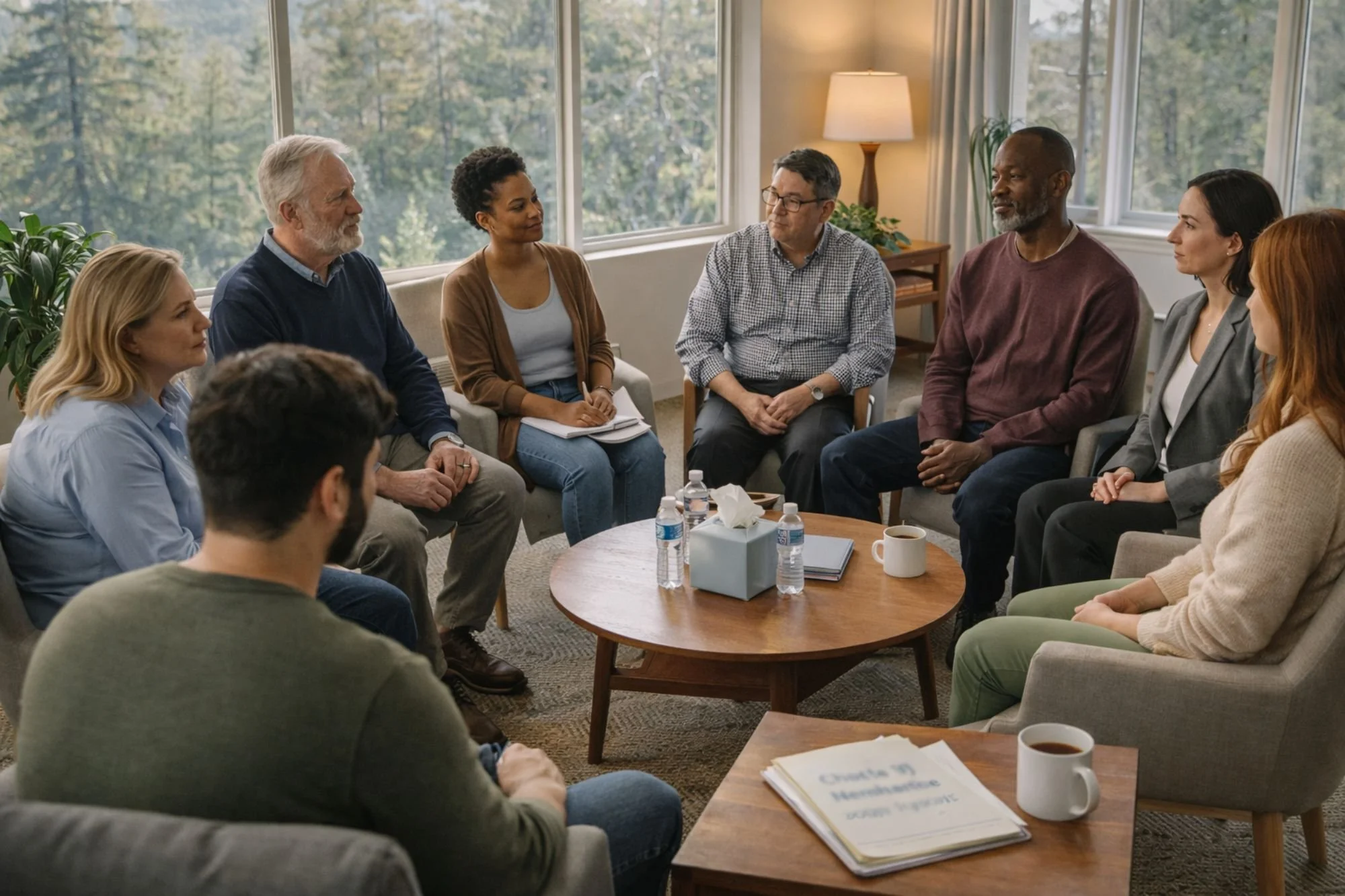
Recovery Circles are a crucial facet of our service delivery model, designed to prevent recurrence of use by reducing social isolation, providing positive modeling behaviors, encouraging honest feedback, and increasing emotional support.
At our core, every one of us needs to love and feel love, to feel a sense of belonging, and to know that our life matters. Recovery Circles foster and feed this, breaking down despair, loneliness, and hopelessness and creating relationships, access to resources, hope, and healing.
Recovery Circles are small groups, 6-10 people, that meet weekly for one hour to check-in, share the highs and lows of their recovery journey, and share resources. Recovery Circle attendance is one of Recovery Café’s requirements for Membership.
Each circle is led by a facilitator. Our circle facilitators are a combination of Recovery Café Members, staff, and volunteers. All facilitators have gone through recovery coach training to best meet the needs of their circle Members.
Members are expected to attend the same weekly Recovery Circle and call in ahead of time if they can’t make it. This consistency and accountability help Members practice healthy behaviors in a space that allows for growth.
Recovery Circles are how Recovery Café stays intimately connected with our Membership. No one person on staff can know all of our Members at any given time, but every Member is known by someone; their Recovery Circle facilitator.
Recovery Grief
Recovery Grief help is another crucial facet of our service delivery model, designed to prevent recurrence of use by reducing social isolation, providing positive modeling behaviors, encouraging honest feedback, and increasing emotional support.
Whether the loss is recent or you’ve been carrying the pain for a while, losing a loved one can feel overwhelming. Grief often comes in waves, crashing without warning and leaving you exhausted and unsure where to turn—but you don’t have to face it alone.
You do not have to grieve alone. Join us to be part of a safe and supportive space. Our grief support group is a place for individuals experiencing loss to connect, share their experiences, and learn coping strategies. Our group is led by a trained professional and provides a sense of community and understanding for those navigating the emotional journey of grief.
Recovery Art & Creative Writing Classes

Writing as a Tool for Reflection & Growth
Writing is perhaps one of the most accessible and versatile creative outlets. Journaling helps individuals track their progress, identify patterns, and process daily experiences. Creative writings such as poetry, stoytelling, or memoir, can be deeply cathartic. It offers a safe space to explore identity, confront past trauma, and imagine a healthier future.
Poetry Corner
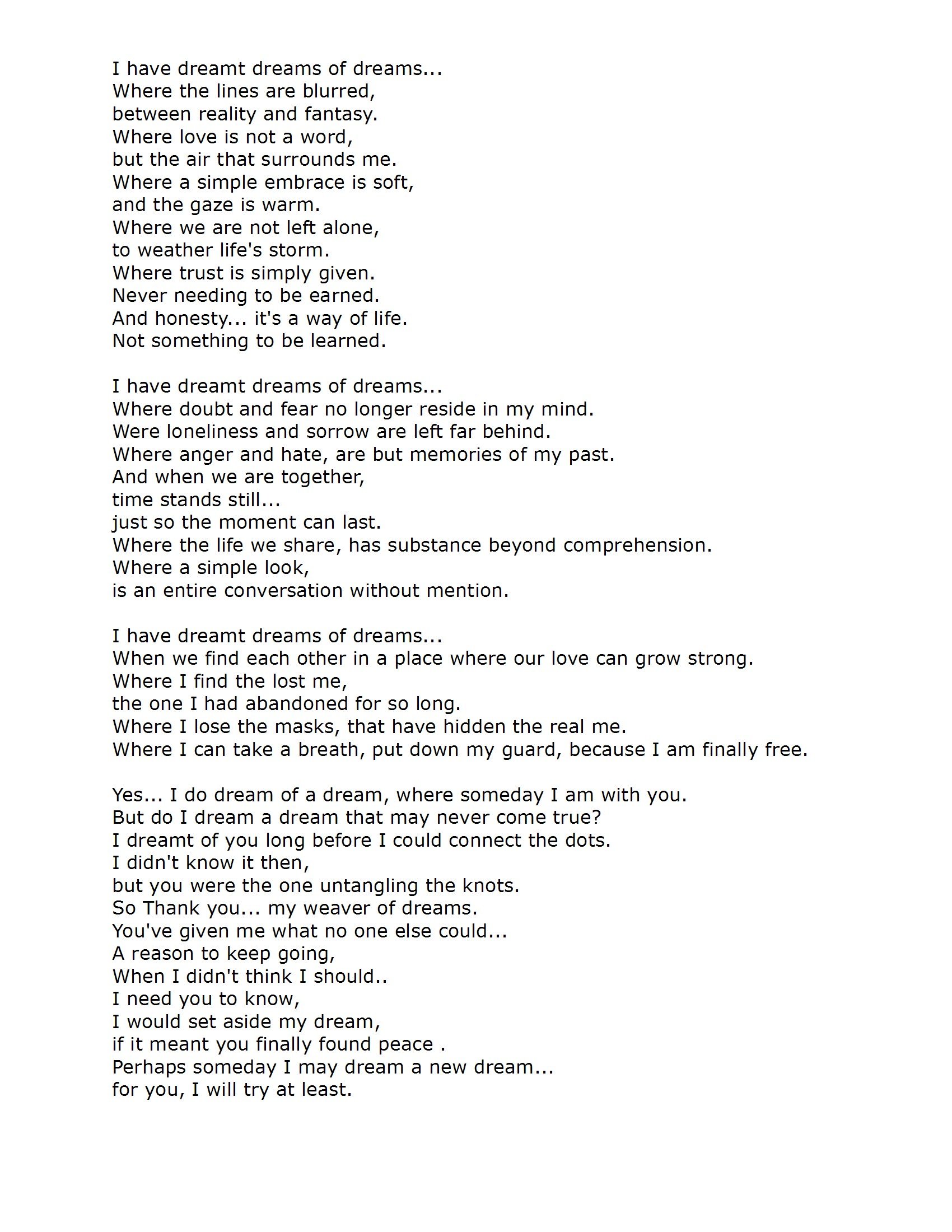
Written By: Seth Silsby
Art as Emotional Expression
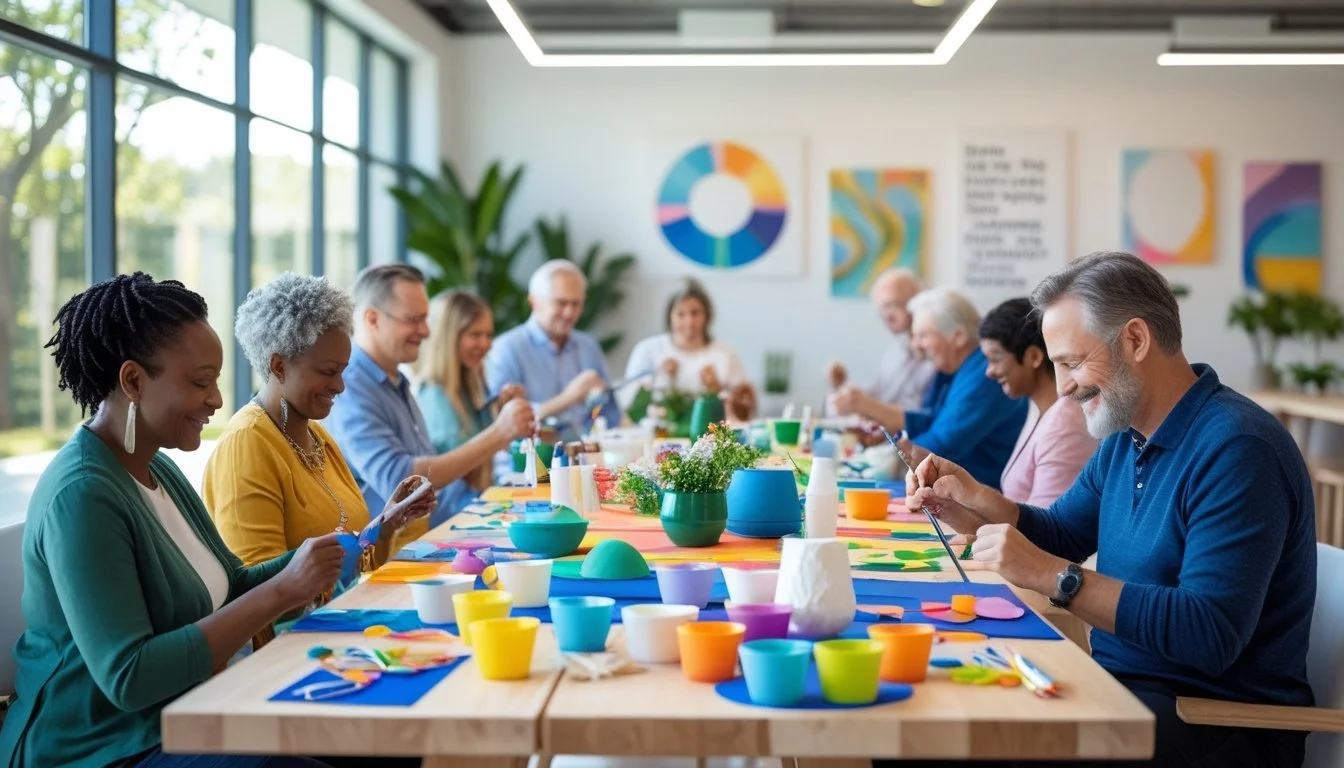
Visual art, whether painting, drawing, sculpting, or collage offers a non-verbal way to explore and express emotions. For those in recovery, this can be especially helpful when confronting feelings that are difficult to articulate. Creating art allows individuals to externalize their pain, fears, hopes, and progress. In therapeutic settings, art therapy is often used to help individuals explore subconscious emotions and reduce anxiety. But even outside clinical settings, the act of making art can be calming, meditative, and empowering. It gives people in recovery a sense of control and a tangible way to reflect on their journey.
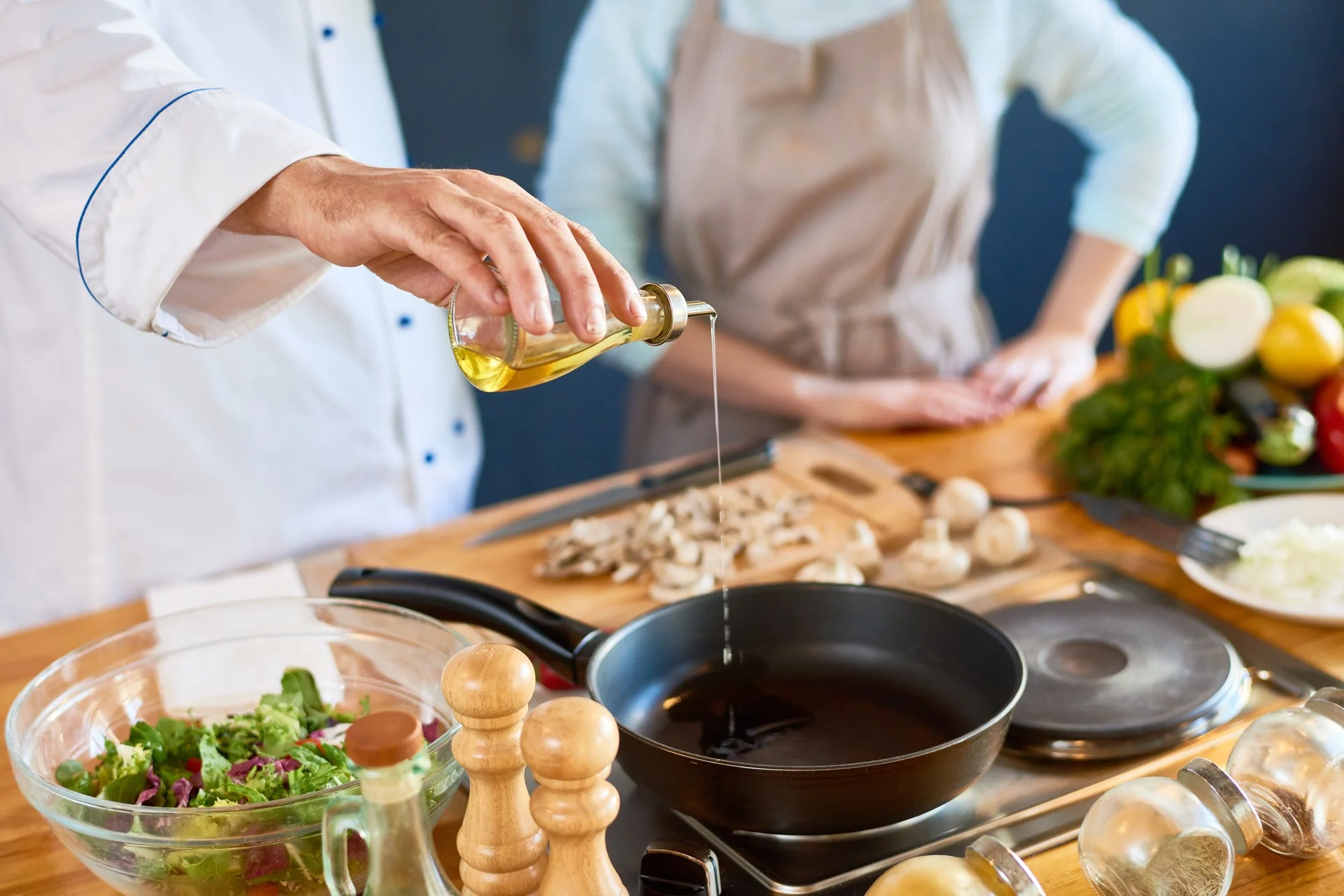
Recovery Healthy Cooking Classes
Why A Culinary Program?
A Culinary Program in rehab helps clients rebuild life skills, gain confidence, and support recovery through cooking and nutrition. Studies show cooking interventions improve self-efficacy and dietary habits, which are essential for long-term wellness.
By learning to prepare healthy meals, participants in a Culinary Program also strengthen independence and create positive daily routines. These skills not only promote physical health but also provide therapeutic benefits during addiction recovery.